Fibula Stress Fractures
Severity: Moderate
Typical recovery time: Most runners need to avoid running for 4–6 weeks
Can I keep running? No, running must stop until the fracture has healed, but low-impact cross-training is usually permitted
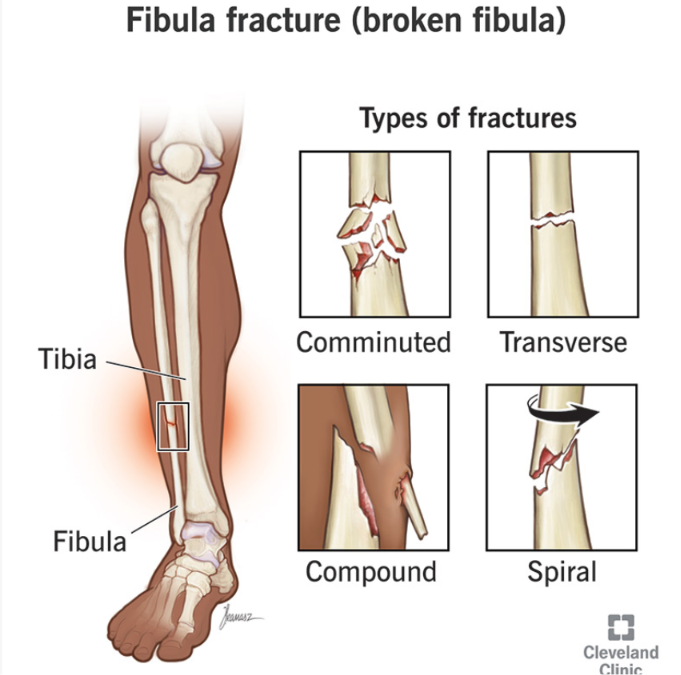
What’s Actually Happening: A fibular stress fracture is a small, incomplete crack in the bone that develops gradually from repetitive stress. Fibular stress fractures account for 7–12% of all stress fractures in runners, making them less common than tibial stress fractures but still a real risk in distance running. The fibula is classified as a low-risk stress fracture location, meaning it responds well to conservative treatment and rarely requires surgery. This injury typically results from overuse, a sudden increase in training intensity, or improper footwear, and if left untreated, the fracture can progress, making early diagnosis and rest essential.
How You Know It's This (Symptoms):
Persistent pain, swelling, and tenderness along the outer lower leg that worsens with activity and improves with rest
Pain that starts and gets progressively worse during physical activity, and may not fully resolve after stopping
Tenderness even to a light touch directly on or near the affected bone
Pain located on the outer side of the lower leg, distinct from shin splints and tibial stress fractures, which sit along the inner shin
In some cases, pain that's more noticeable even at rest, especially in more advanced fractures
What To Do Right Now:
Stop running immediately and avoid all weight-bearing impact activity
Apply ice for 15 minutes, two to three times a day, especially after any activity
A walking boot, with or without crutches, may be recommended until pain subsides
See a doctor promptly; imaging confirmation matters since X-rays may appear normal in the early stages, and an MRI or bone scan may be needed
When to See a Professional:
Any outer lower leg pain that doesn't improve with a few days of rest, especially if you've recently ramped up mileage
Surgery is rarely required for fibula stress fractures but may be discussed in very uncommon situations where the fracture doesn't heal correctly or recurs
Pain that returns immediately when attempting to resume running signals incomplete healing and needs reassessment
Since the diagnosis requires a high level of suspicion and early X-rays are often inconclusive, don't dismiss outer leg pain as a minor issue without getting it properly evaluated
How to Treat It:
Offloading and footwear: The primary treatment principle is reducing the bending forces on the fractured bone during daily activity. A walking boot or stiff-soled shoe is the standard first step for fibula stress fractures. Switching to more supportive footwear with adequate lateral cushioning also helps minimize the impact forces reaching the fibula during necessary walking.
Cross training: Maintaining fitness during recovery while protecting the healing bone is an important part of management. Recommended alternative activities during recovery include water fitness, cycling, and elliptical training, with water-based options being the most conservative since they completely offload the lower extremity. Begin whichever cross-training option is comfortable without reproducing the outer leg pain.
Nutrition: As with all stress fractures, adequate calcium and vitamin D intake are essential for bone healing. If underlying nutritional deficiencies or low bone density contributed to the fracture, addressing these through dietary changes or supplementation is a core part of treatment rather than an afterthought.
Avoid NSAIDs where possible: There is some evidence that anti-inflammatory medications may interfere with the normal bone healing response since inflammation is part of the bone repair process. Acetaminophen for pain management is a more appropriate choice during the active healing phase, though this should be discussed with a physician since individual circumstances vary.
Progressive return to running: A phase-based rehabilitation approach progresses from offloading and cross training through to graduated weight bearing, then walking, then a structured return to running. The outer leg should be completely pain-free and without tenderness on direct palpation of the fracture site before running resumes. X-ray findings of stress fractures may persist 4–6 months after the injury even after symptoms resolve, so imaging alone should not be used to judge readiness to run.
Gait assessment: If biomechanical factors like overpronation, a narrow running stance, or asymmetrical loading contributed to the fibula stress fracture, a gait assessment and orthotics can address these before return to full training, reducing the risk of recurrence.
The Recovery Plan:
Week 1–6: Phase 1 of treatment involves pain management, modified weight bearing, and complete cessation of running. Temporary immobilization in a boot is appropriate if walking is painful. Recommended alternative activities during this phase include water fitness, cycling, and elliptical training to preserve fitness and strength without stressing the bone.
Week 6 onward: Phase 2 begins after a pain-free period and features a graduated return to activity supported by physical therapy. Runners should initially resume running at a reduced pace and distance on alternating days. Most stress fractures heal within 6–8 weeks with appropriate treatment, though complete return to full training may take longer depending on how the bone responds.
Important: X-ray findings may persist 4–6 months after the initial injury even after symptoms resolve, so imaging alone shouldn't be used to judge readiness to return.
