Exercise-Induced Anaphylaxis
Severity: Severe, a potential medical emergency
Typical recovery time: Individual episodes resolve with cessation of exercise and prompt treatment. Long-term management focuses on prevention, trigger identification, and always carrying an epinephrine autoinjector rather than a fixed recovery timeline
Can I keep running? Only with proper medical management in place, never alone, and always with an epinephrine autoinjector on hand. Runners who have had an episode should see an allergist before returning to training
What's Actually Happening: Exercise-induced anaphylaxis is a rare condition in which physical activity triggers a systemic allergic reaction involving the release of vasoactive substances from mast cells. It exists on a spectrum from mild cutaneous symptoms to life-threatening anaphylactic shock. Running is the most commonly reported trigger, which makes this directly relevant to cross country and track athletes. The exact mechanism isn't fully understood, but exercise appears to lower the threshold for mast cell degranulation in susceptible individuals. An important subtype is food-dependent exercise-induced anaphylaxis (FDEIA), where anaphylaxis occurs only when the runner exercises within a few hours of consuming a specific food. The most commonly implicated foods include wheat, shellfish, tomatoes, peanuts, and corn. This distinction matters because some runners have experienced multiple episodes without realizing the food-exercise connection. A critical feature of this condition is its unpredictability: episodes are not consistently reproduced at the same level of exertion, meaning a runner may complete many workouts without symptoms before a reaction occurs. Additional cofactors that can lower the threshold and trigger an episode include NSAIDs, alcohol, hot and humid weather, and hormonal changes.
How You Know It's This (Symptoms):
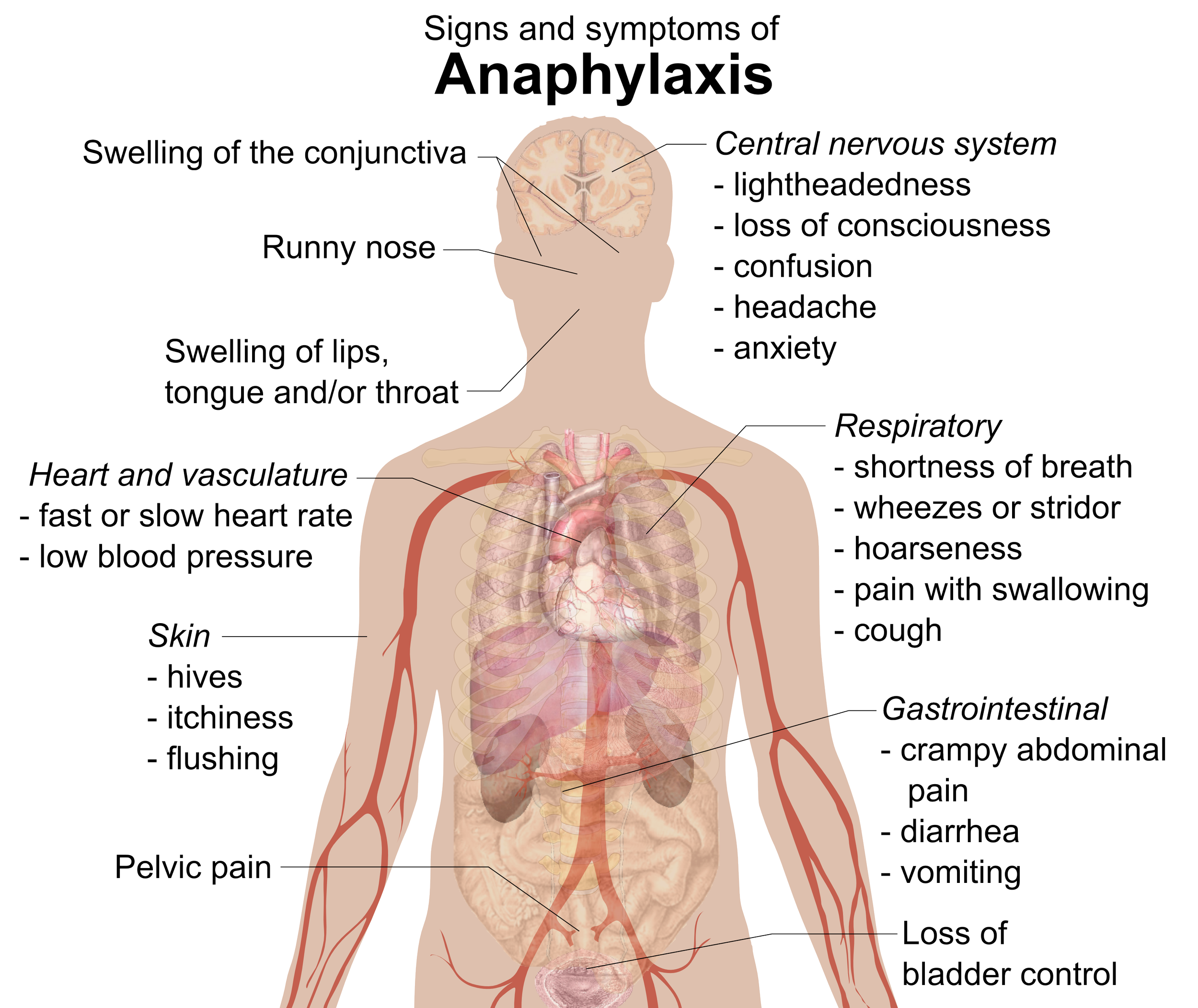
The condition progresses through four documented phases:
Prodromal phase (early warning, act now):
Sudden unusual fatigue during a run
Generalized warmth, skin flushing, and itching across the whole body
Cutaneous erythema, a reddening of the skin
Early phase:
Hives appearing across the body, typically large and well-defined rather than the small hives of cholinergic urticaria
Continued warmth and itching that worsens rather than settling as exercise continues
Fully established phase (medical emergency):
Stridor, a high-pitched breathing sound indicating airway narrowing
Difficulty swallowing, wheezing, or shortness of breath
Nausea, cramping, vomiting
Dizziness and lightheadedness
Late phase:
Hypotension, low blood pressure causing a feeling of collapse
Cardiovascular collapse and loss of consciousness in the most severe cases
Symptoms typically improve with immediate cessation of exercise, which is one of the distinguishing features from other causes of collapse during running.
What To Do Right Now:
During an episode:
Stop exercising immediately at the first prodromal signs, do not push through itching or unusual warmth during a run hoping it will resolve
Administer epinephrine via autoinjector (EpiPen) immediately if symptoms are progressing beyond mild hives, particularly if any breathing difficulty, swelling, or dizziness is present
Call emergency services, this is a 911 situation if symptoms are progressing
Lie down with legs elevated if feeling faint, unless breathing is compromised in which case sit upright
Antihistamines and beta-agonist inhalers may help relieve secondary symptoms but do not replace epinephrine as the primary treatment
After an episode:
Go to an emergency room even if symptoms resolve with epinephrine, since biphasic reactions can occur hours later
Do not return to running until you have seen an allergist
When to See a Professional:
Anyone who has experienced any episode of hives, unusual warmth, or systemic symptoms during exercise that progressed or felt alarming should see an allergist before running again
Diagnosis requires a thorough clinical history, allergen-specific IgE testing, and in some cases a supervised exercise challenge test. It is a diagnosis of exclusion, meaning other causes must be ruled out first
An allergist will help identify whether a food trigger is involved and guide long-term management
How to Treat It:
Epinephrine autoinjector: The single most important treatment and prevention tool. Intramuscular epinephrine is the drug of choice for acute attacks, and early administration is associated with significantly decreased mortality. Every runner with exercise-induced anaphylaxis must carry an epinephrine autoinjector on every run without exception. Antihistamines and inhalers play a supportive role but do not replace epinephrine.
Never run alone: A non-negotiable safety rule for runners with this condition. Running partners must know the symptoms, where the epinephrine is kept, and how to administer it. Running alone with exercise-induced anaphylaxis is genuinely dangerous.
Trigger identification and avoidance: Working with an allergist to identify food or environmental cofactors that lower the reaction threshold is one of the most important management steps. For FDEIA, avoiding the identified food for at least 4–6 hours before running often prevents episodes entirely. Common cofactors to discuss with your allergist include NSAIDs taken around the time of exercise, alcohol, hot weather, and specific foods.
Prophylactic medications: Antihistamines taken before exercise are empirically used by some patients but are inconsistently effective and don't replace carrying epinephrine. Omalizumab, an anti-IgE antibody medication, has shown promising results in refractory cases not controlled by avoidance and standard measures. In one documented case, a patient who had failed antihistamines and montelukast became completely episode-free within 7 days of starting omalizumab injections and remained symptom-free at 5-month follow-up despite resuming regular exercise.
Exercise modification: In cases where the trigger cannot be reliably identified, exercise modification strategies include avoiding exercise in hot and humid weather, not exercising within 4–6 hours of eating, reducing exercise intensity during high-risk periods, and stopping immediately at the first prodromal symptom rather than waiting to see if it settles.
Medical ID: Wearing a medical alert bracelet or ID identifying exercise-induced anaphylaxis is strongly recommended since episodes can cause sudden loss of consciousness.
The Recovery Plan:
Exercise-induced anaphylaxis doesn't follow a traditional injury recovery timeline since it's an ongoing condition rather than a structural injury that heals. Management is about establishing a safe framework for continued running rather than recovering from a single event.
After an episode: Rest from running until cleared by an allergist. The evaluation process includes trigger identification, epinephrine prescription, and an emergency action plan.
Return to running: Return is possible for most runners with proper management in place. The framework includes never running alone, always carrying epinephrine, identifying and avoiding cofactors, stopping immediately at prodromal symptoms, and having a written emergency action plan shared with training partners and coaches.
Long-term: Episodes are not consistently reproduced, meaning some runners go years between reactions. Long-term management is primarily about being prepared rather than preventing all exercise. With appropriate safeguards in place, most people with exercise-induced anaphylaxis continue to run.
