Tibial Plateau Stress Fracture
Severity: Severe
Typical recovery time: Considered a higher-risk stress fracture location, often requiring extended recovery and close medical supervision
Can I keep running? No, treatment requires complete cessation of running activities for a variable length of time based on severity
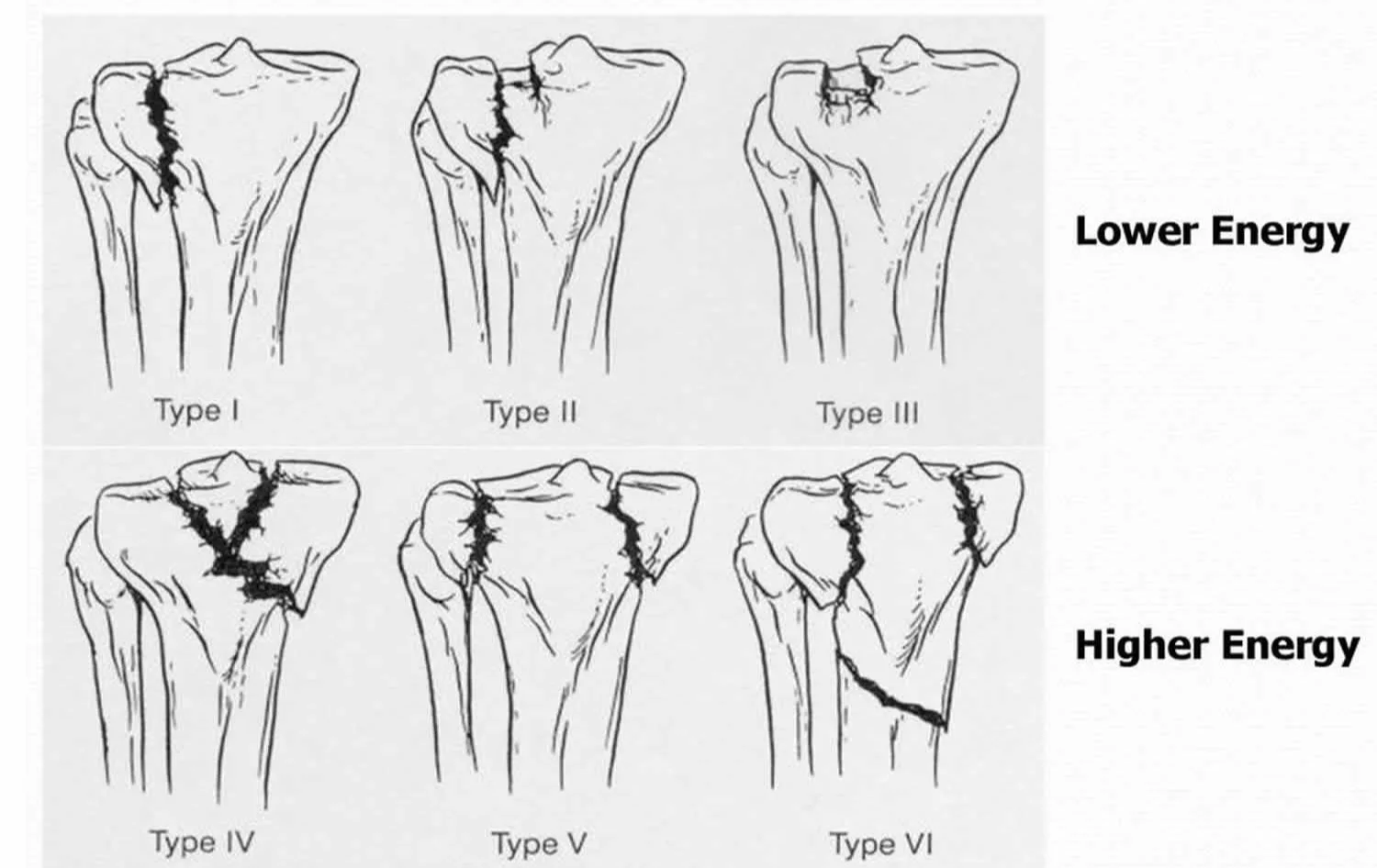
What's Actually Happening: A tibial stress fracture develops when repeated mechanical loading creates microcracks in the bone faster than it can repair and remodel itself. Bone stress injuries are among the most common overuse injuries in young adult athletes, with the tibia affected in as many as 10–20% of competitive runners. What makes the tibial plateau version different is location; stress fractures here are considered higher risk due to the potential for involvement of the joint's articular surface, the smooth cartilage-covered area where bones meet. These fractures are also rare and frequently misdiagnosed because symptoms are nonspecific and early X-rays often look normal, meaning an MRI is usually needed actually to confirm it.
How You Know It's This (Symptoms):
Progressive knee pain that develops after a sudden increase in running volume or intensity
Pain localized at the top of the shin, just below the knee joint, rather than further down the shin like typical shin splints
Pain that doesn't ease with rest, the way a normal muscle ache would
A pattern of pain that's distinct from shin splints or compartment syndrome, with symptoms that worsen progressively with continued activity
What To Do Right Now:
Stop running immediately, this is not an injury to try to manage on your own
See a doctor promptly, and be aware that an initial X-ray may come back normal even when a fracture is present, so push for an MRI if pain persists, and the X-ray is inconclusive
Avoid all weight-bearing impact activity until you've been properly evaluated
Don't just ice and "wait it out" the way you might with a minor overuse injury; this requires medical management from the start
When to See a Professional:
A doctor should always manage this injury; it's not appropriate for self-treatment at any stage
Any knee or shin pain following a rapid increase in mileage that doesn't resolve with a few days of rest deserves prompt evaluation
Recurrent stress fractures in weight-bearing joints can accelerate cartilage wear and contribute to early-onset arthritis, which is part of why getting this diagnosed and treated correctly the first time matters so much
If pain continues or worsens despite stopping activity, follow up for repeat imaging since early X-rays can miss this fracture
How to Treat It:
Protected weight bearing: The most important physical treatment intervention is eliminating the mechanical stress that caused the fracture while allowing the bone to heal. A pneumatic walking brace has some evidence behind it for tibial stress fractures — a Cochrane review found runners using a pneumatic brace showed a significant reduction in time to recommencing full activity compared to those without one. A walking boot or pneumatic brace worn during daily activity meaningfully reduces load on the healing bone.
Cross training: Physical therapy and cross training with non-aggravating activities help maintain flexibility, strength, and cardiovascular fitness during the rest period. Swimming is the best option since it completely offloads the lower extremity. Pool running with a flotation belt maintains running-specific fitness without bone stress and is used widely in clinical settings for stress fracture recovery.
Nutrition: Adequate calcium and vitamin D are critical for bone healing. Nutritional augmentation with calcium is specifically recommended in the clinical literature on tibial bone stress injuries. If you've had multiple stress fractures, a bone density assessment alongside nutritional review is important since low bone mineral density and poor nutritional status are consistently identified as risk factors for tibial stress injury and recurrence.
Correction of contributing risk factors: Management of tibial bone stress injuries centers on identifying and correcting any contributing nutritional, metabolic, or biomechanical risk factors alongside rest from the offending activity. Menstrual dysfunction, low energy availability, and abnormal biomechanics are all modifiable risk factors that need to be addressed as part of treatment rather than after recovery.
Orthotics: Correction of biomechanical abnormalities using orthotics is a recognized component of tibial stress fracture management in clinical literature. If overpronation, a narrow running gait, or other foot mechanics are contributing to abnormal tibial loading, orthotics or gait correction reduces the risk of recurrence when running resumes.
Bone stimulation: External bone stimulators using electrical or ultrasonic impulses are sometimes prescribed clinically for tibial stress fractures, particularly more stubborn anterior cortex fractures. The evidence base is still developing — current research in lab models supports biological plausibility, and a few clinical studies have shown reduced healing time with ultrasound stimulation, though the evidence base is not yet strong enough to be considered definitive. An external bone stimulator may improve non-operative care and is worth discussing with your physician for higher-grade fractures.
Gait retraining: Recurrent tibial stress injury is common, and gait and neuromuscular training may be especially helpful in preventing chronic and repeated injury. Specific gait targets include increasing step rate, reducing impact loading with each stride, and addressing a narrow crossover gait pattern — all of which reduce the tibial bending moment that contributes to stress fracture development.
The Recovery Plan:
Early phase (Weeks 1–4): Nonoperative management aims to promote bone healing, prevent progression to a complete fracture, and facilitate a safe return to activity, with treatment goals centered on pain control and optimal bone healing. In one documented case, management involving activity modification, weight-bearing as tolerated, and vitamin D supplementation led to symptom resolution within three months.
Mid phase: Rehabilitation occurs in structured phases, advancing according to symptom resolution and radiographic healing evidence, meaning your return is guided by actual imaging confirmation, not just how you feel.
Return to sport: For tibial stress fractures broadly, the expected time to return to sport is approximately 14 weeks on average, and bone density at the fracture site may not return to baseline for up to 24 weeks after diagnosis, meaning re-injury risk stays elevated even after you feel ready. Tibial stress injuries have a high recurrence rate, so gait and strength work matter as much as the initial healing period.
